
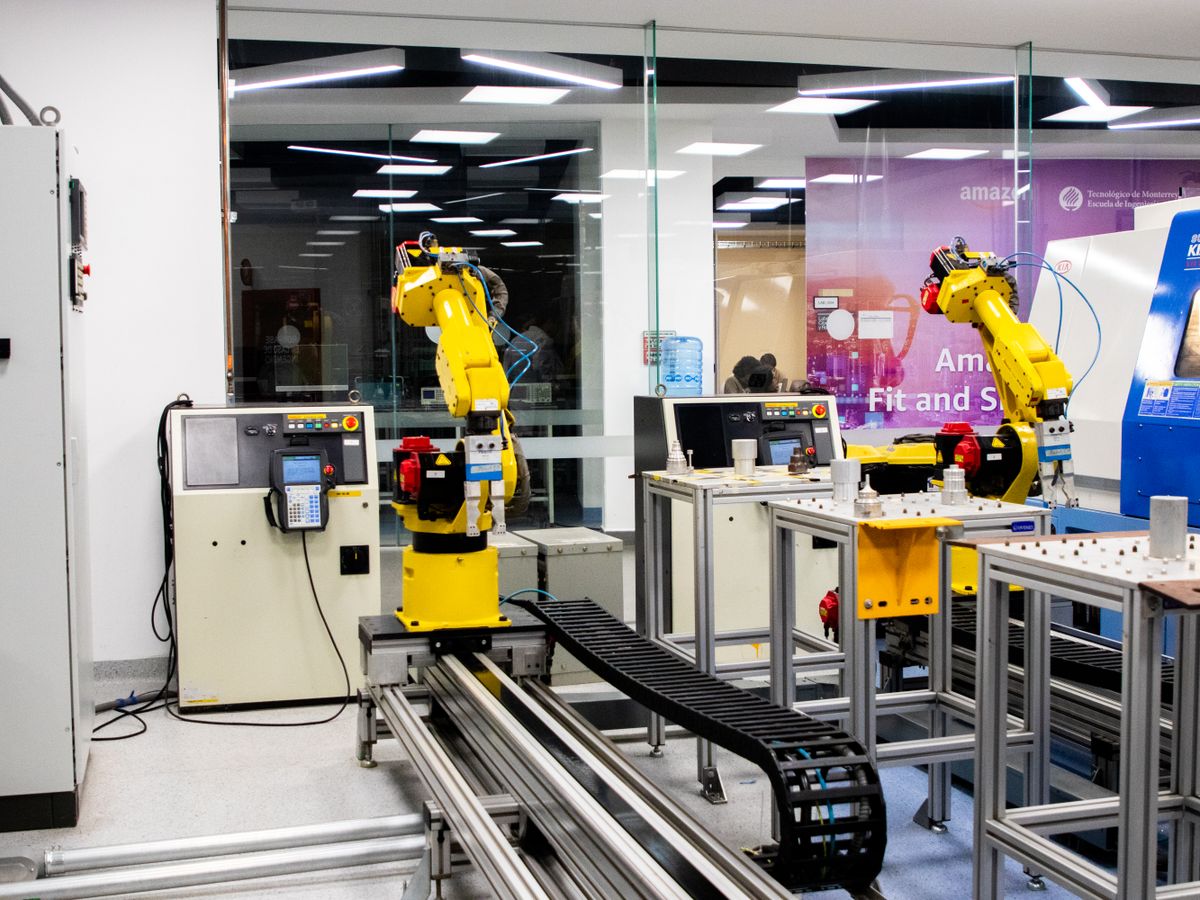
Design around the task and the surrounding workflow.
Warehouse automation brings physical equipment and electronic behavior into a shared operating environment. SIDE helps develop equipment and subsystems through coordinated electronics, embedded software, and mechanical design.
Our focus is the engineering scope you need: a new hardware module, an equipment interface, a mechanical assembly, or a prototype that helps resolve a defined integration challenge.
Equipment-Level Engineering
Electronic Hardware
Connect the equipment to its sensors, peripherals, and supporting electronics.
- PCB and circuit development
- Signal and equipment interfaces
- Power and connection requirements
Embedded Behavior
Develop the software that governs device operation within the agreed system.
- Device drivers and communications
- Sensor and peripheral integration
- Operating states and diagnostics
Mechanical Integration
Develop the physical arrangement around the equipment and its installation constraints.
- Frames, brackets, and enclosures
- Component fit and assembly access
- Prototype builds and revisions
Application Contexts
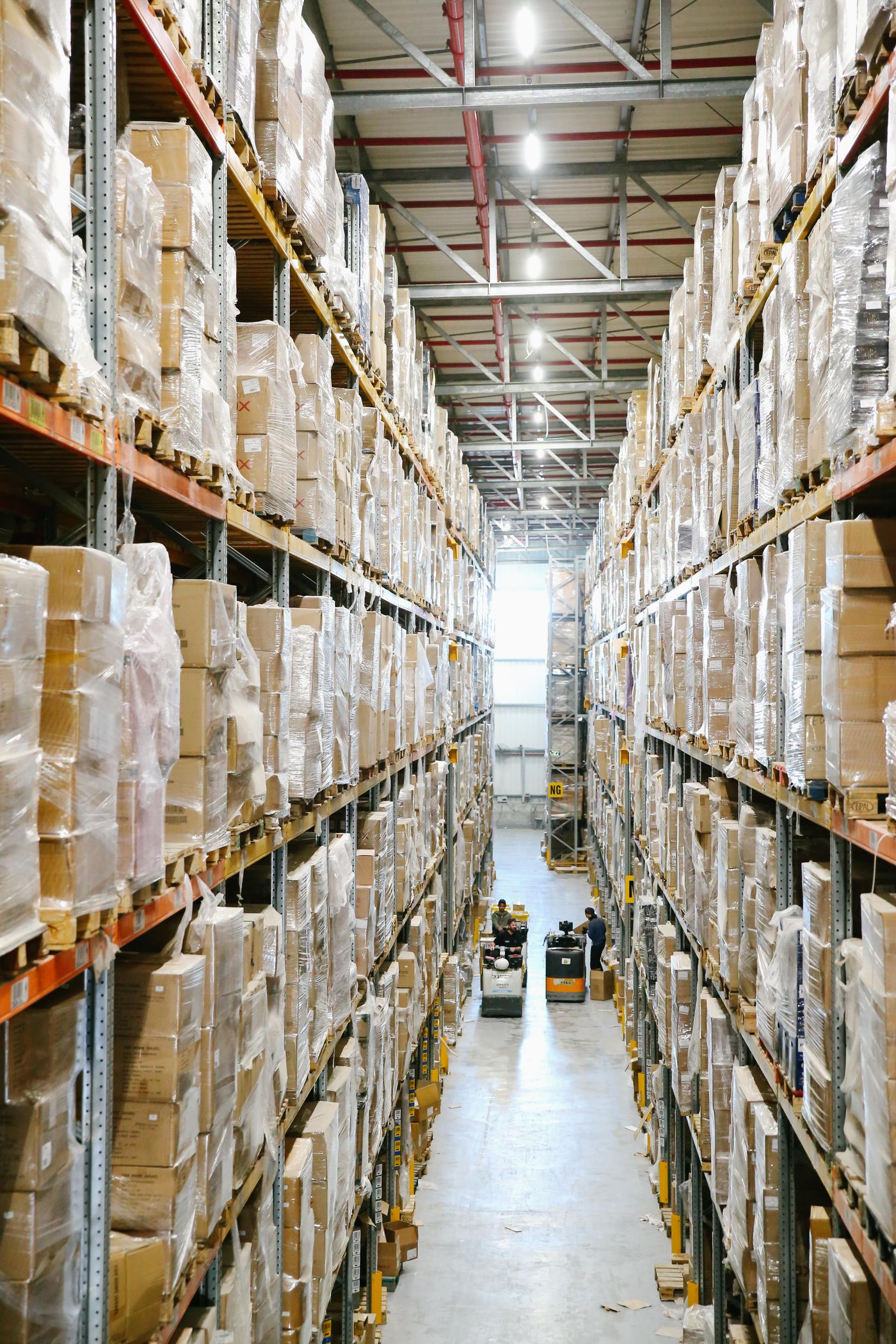
Material-Handling Equipment
Design requirements may involve transfer points, sensing, physical clearances, and interfaces to adjacent equipment.
Robotic Workstations
Define the supporting hardware, mechanical fixtures, and device-level connections needed around a robotic task.
Operator Interfaces
Consider how controls, indicators, and equipment feedback communicate the state of the device.
Equipment Subsystems
Scope a focused module or assembly that needs to fit within a wider automation environment.
Evaluate the Integration Before the Next Step
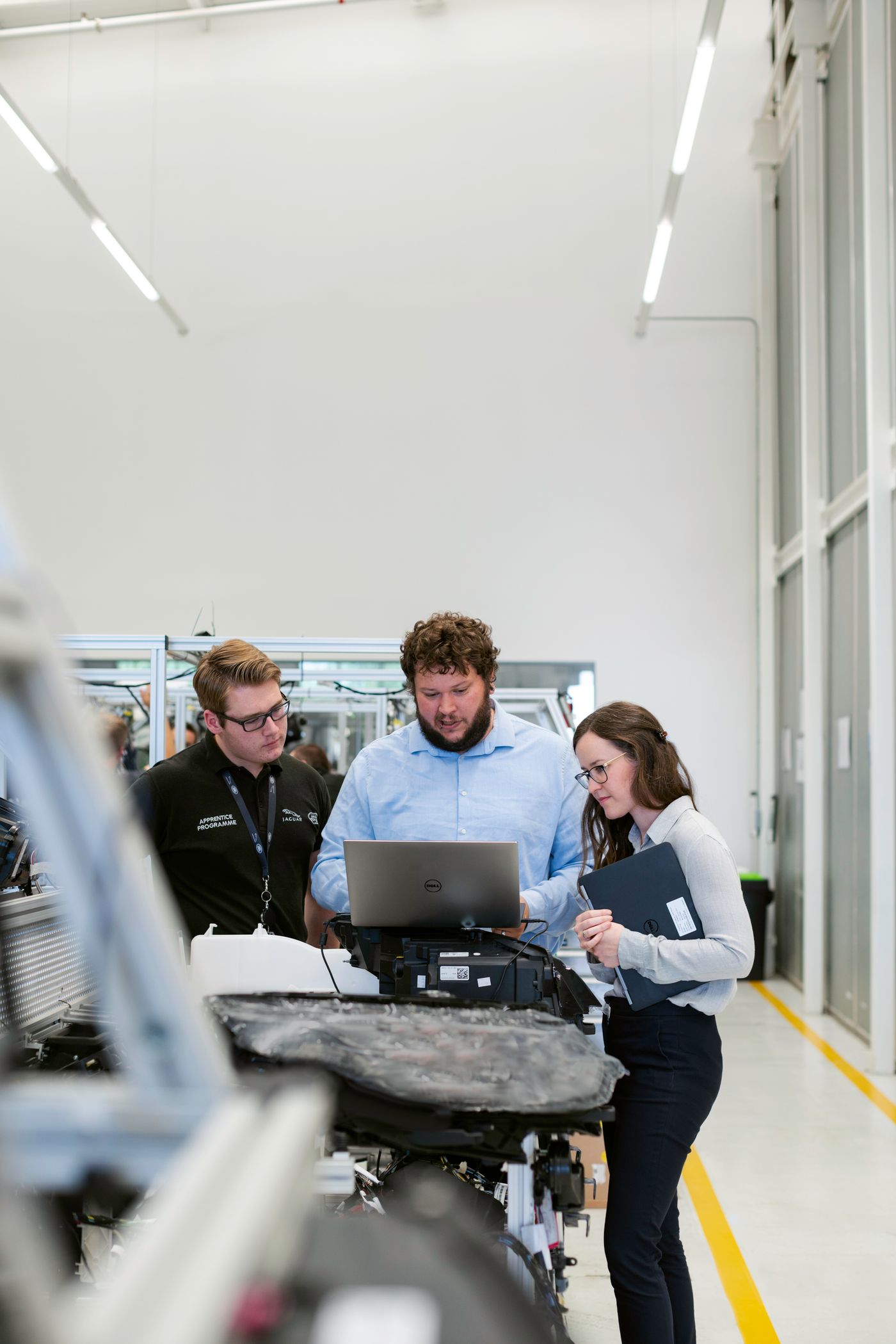
A useful prototype addresses a specific question. We agree what needs to be demonstrated, which equipment or data is available, and how observations will be reviewed. Findings guide design revisions and the scope of further work.
Connecting robotics and automation
For projects centered on a robotic product or subsystem, explore our robotics engineering approach.
Robotics Design & Development