
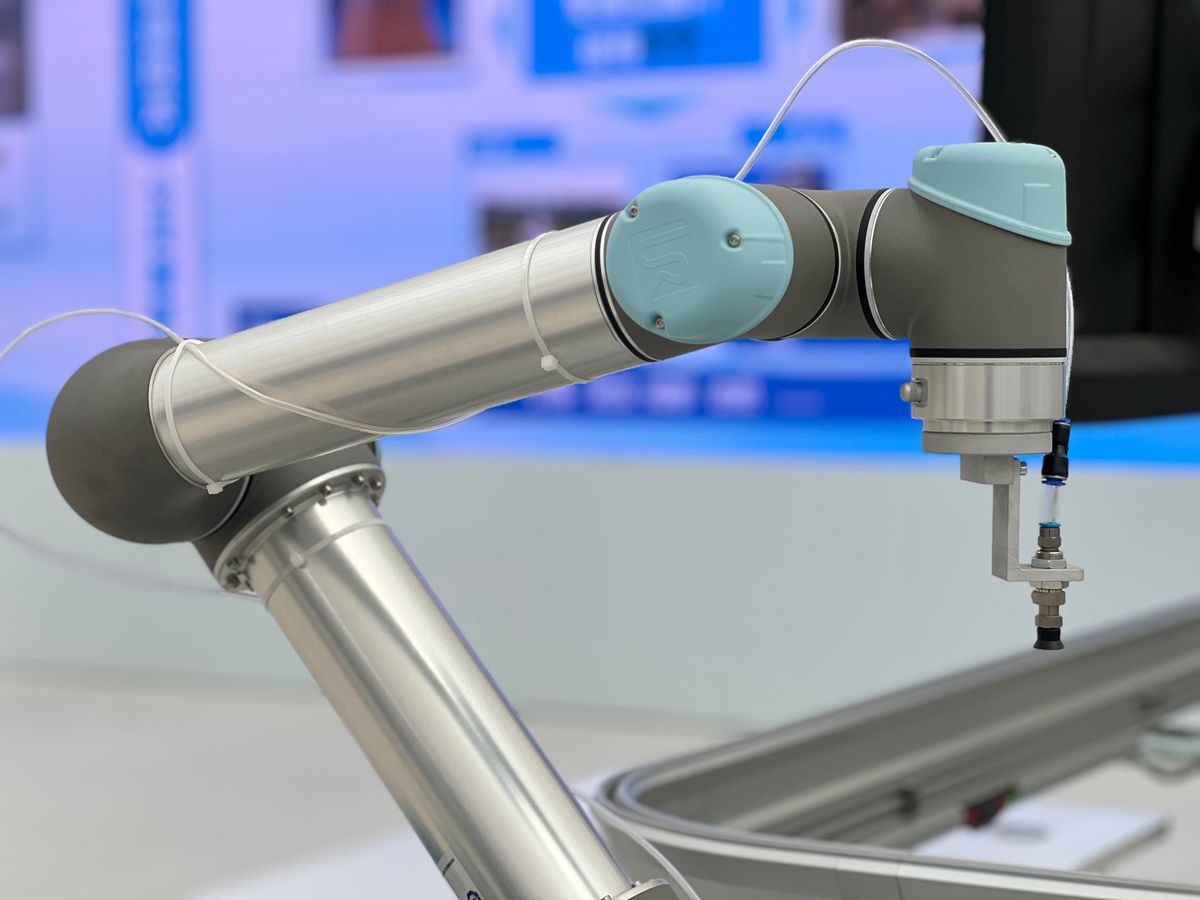
Bring the parts together as a working system.
A robotic product relies on coordinated hardware, software, and physical design. SIDE supports the development of these elements around an agreed application, from an early engineering concept through prototype integration and evaluation.
The starting point is the task: what needs to move, what information the system needs, and how its components interact. We help translate those requirements into a practical development scope.
Engineering Across Disciplines
Electronics & PCB Design
Develop the circuitry and board-level interfaces that connect the product hardware.
- Circuit and board architecture
- Sensor and peripheral interfaces
- Power and connector requirements
Embedded Software
Define device behavior and connect software to the physical system.
- Hardware interface development
- Operating states and device communications
- Integration debugging
Mechanical Design
Coordinate packaging, mounts, and physical interfaces around the application.
- Enclosure and mounting concepts
- Component clearances and cable access
- Mechanical prototype refinement
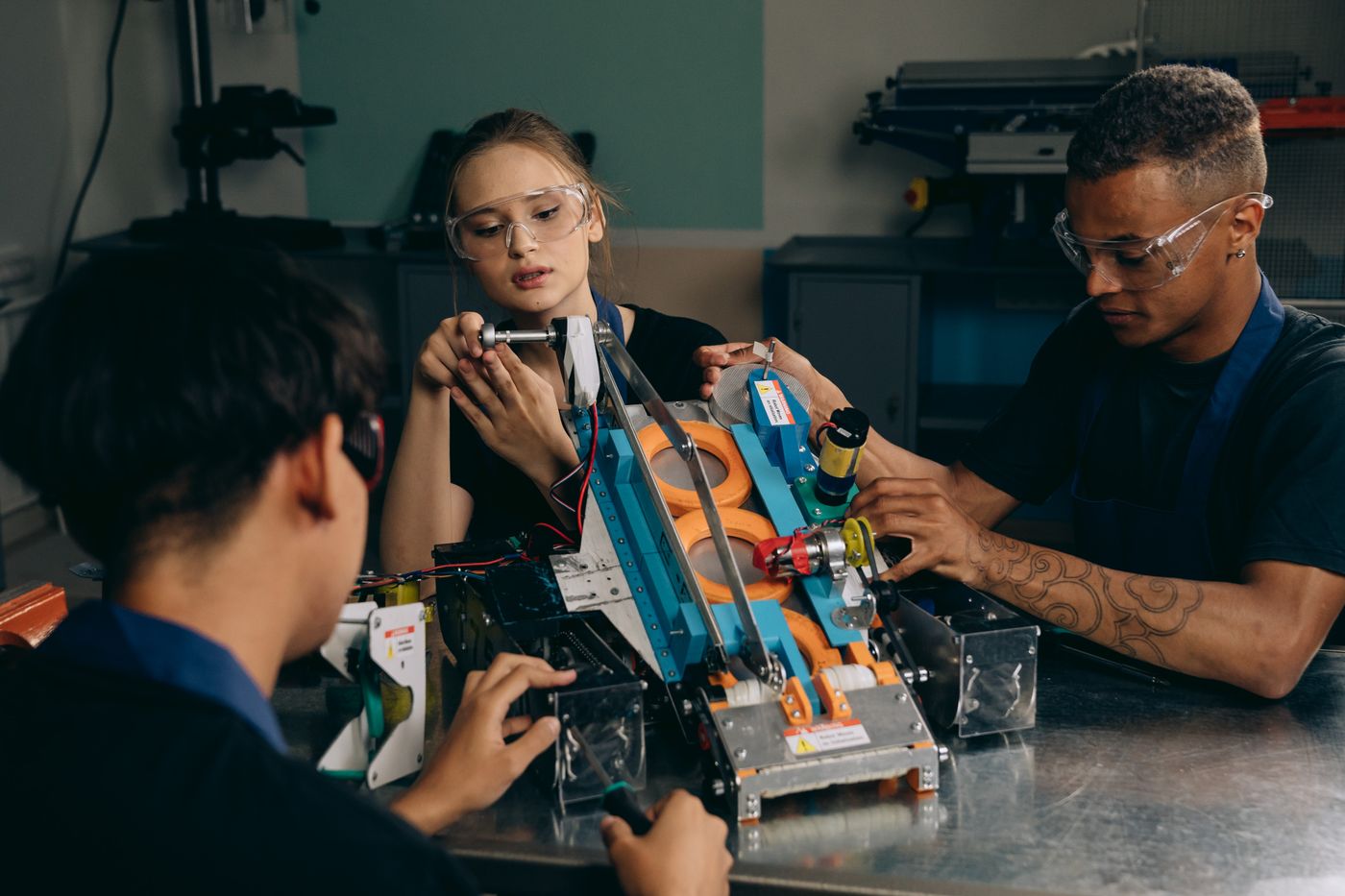
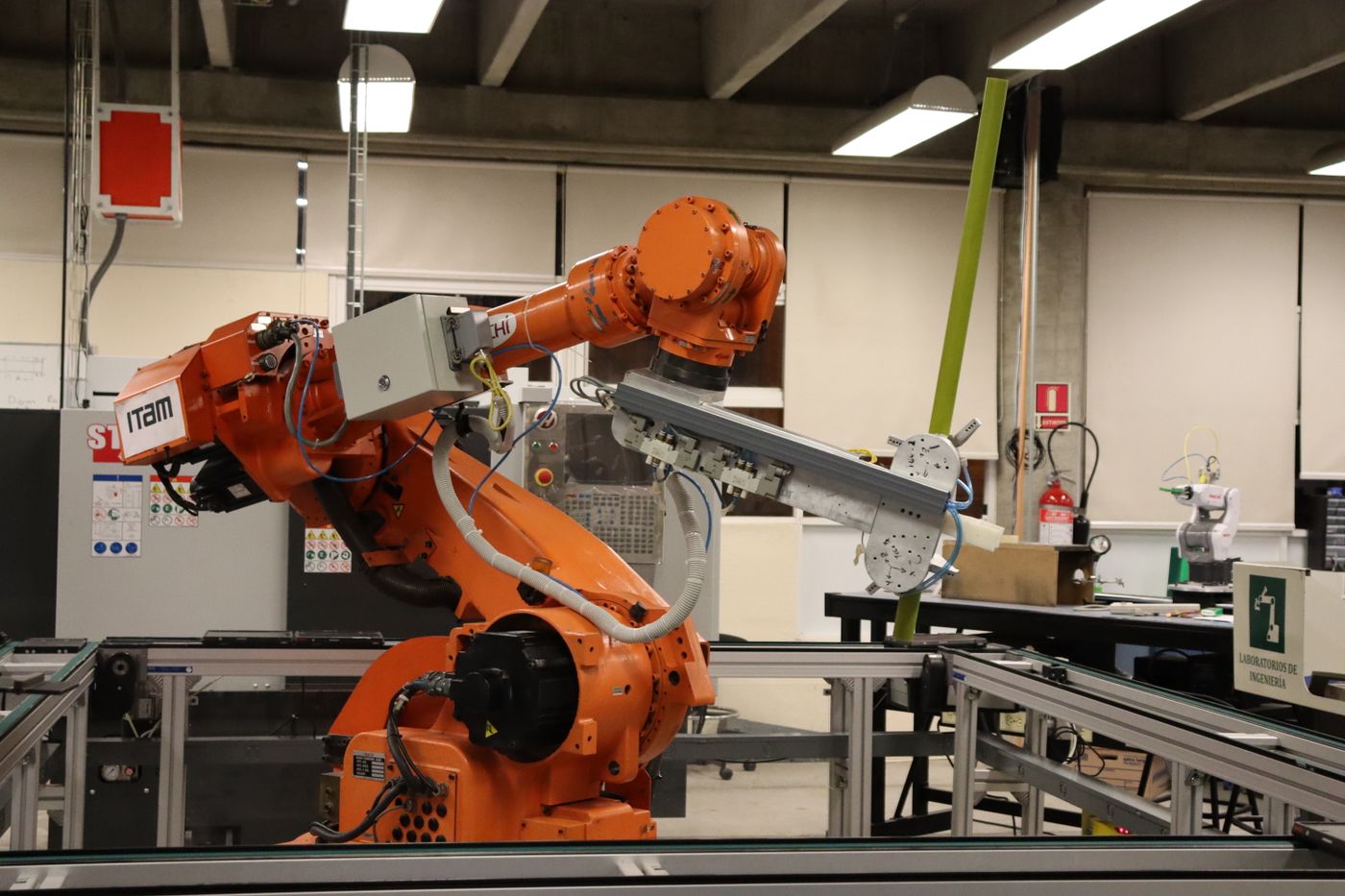
Start with a focused engineering question.
A project may begin with a subsystem rather than a complete robot. For example, the first build might explore whether the electronics fit within the available space, whether the required interfaces communicate correctly, or whether the prototype supports the intended task.
From Design to Prototype Evaluation
- Define the application. Establish the operating requirements and the boundaries of the engineering work.
- Coordinate the design. Develop the agreed electronic, software, and mechanical elements together.
- Integrate and investigate. Operate the prototype, document findings, and refine the design.
Working on warehouse equipment?
Explore our approach to the connected hardware and subsystems used in material-handling applications.
Warehouse Automation